
Beyond Labels: The Future of Sustainable Coding in Food Production
With the improvement of people’s living standards, more and more attention has been paid to the safety of food and other products. The requirements of food and beverage makers for production equipment are becoming more complex. They now focus on equipment stability and smart features. They also stress safety and environmental protection.
It is even more important. Laser marking is a new trend in the food and beverage industry. It adds codes or branding on food or packaging surfaces.
For green and healthy products like fruits and vegetables, you cannot print related information on the surface. A common method is to label them with printed material.
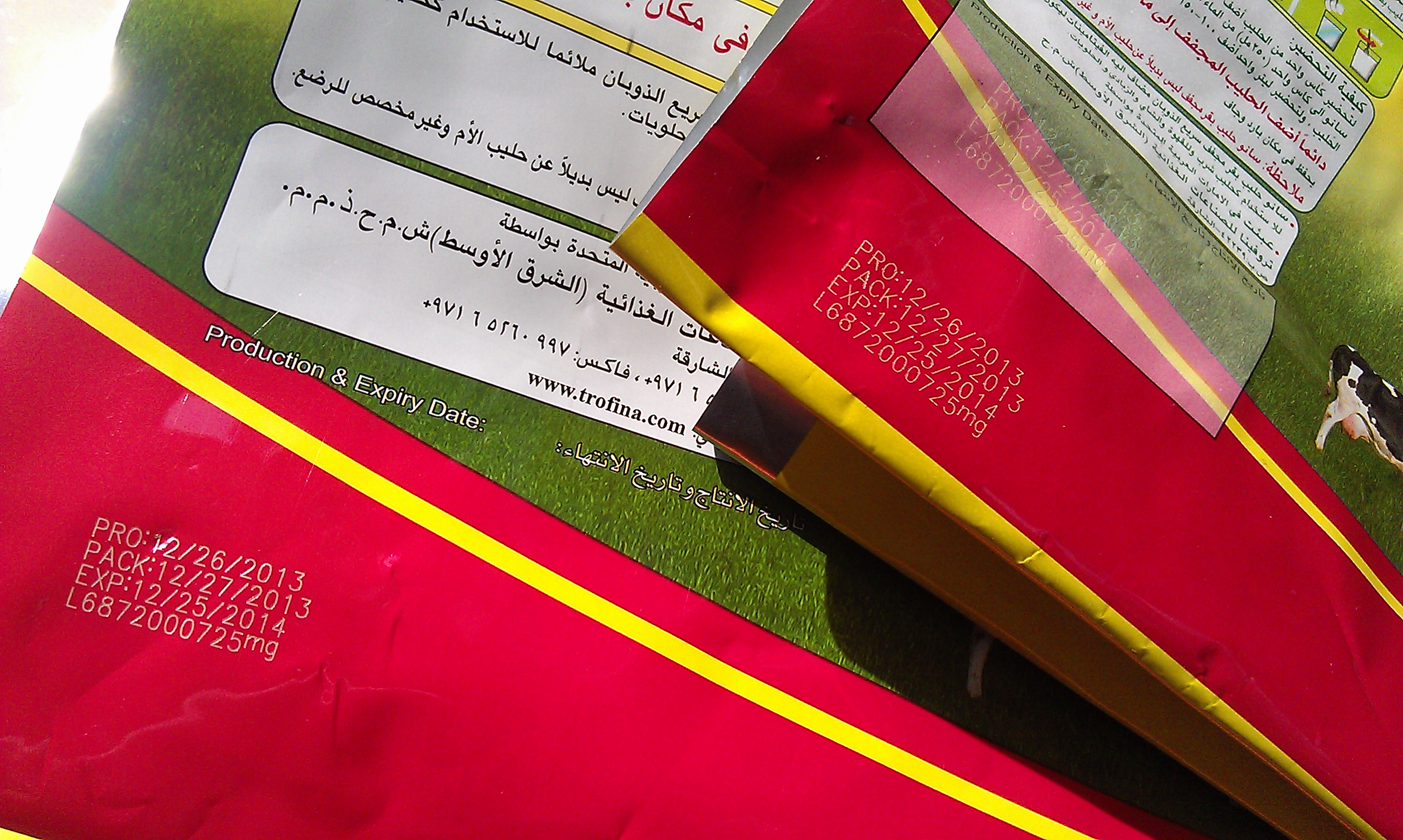
From Fresh Produce to Packaging: Ensuring Smart Traceability with QR Code Laser Marking
However, the cost of labeling is high, and subsequent use is inconvenient and environmentally friendly. Laser marking can replace labeling methods. It can mark the food surface directly, without contact or pollution. Some fruits include lemon and apple, and the label prints the brand on the cheese products and other important information.
You can also use laser marking to add shelf life and barcode details on the outer packaging of filled bags and boxed products. QR code information is important. This is especially true for product traceability on agricultural green products. QR code marking is now a must for your product.
Laser marking machines have many advantages in the food industry:
1. Non-toxic, no printing consumables, no pollution, no pollution;
2. Strong anti-counterfeiting;
3. Capable of continuous work;
4, fast speed, high precision, stable performance; fine lines;
5, the processing cost is low, without any odor;
6. It can be conveniently used with automatic equipment.
The food and beverage industry often uses CO2 laser printers, which can meet the marking requirements of packaging forms and materials such as bagged carton packaging and filling.
Support & Sales
Address
7/F No.6899, Liuxiang Highway, Shanghai(201811) P.R.C