
Solving Real Production Line Problems, Not just printing marks
Intro
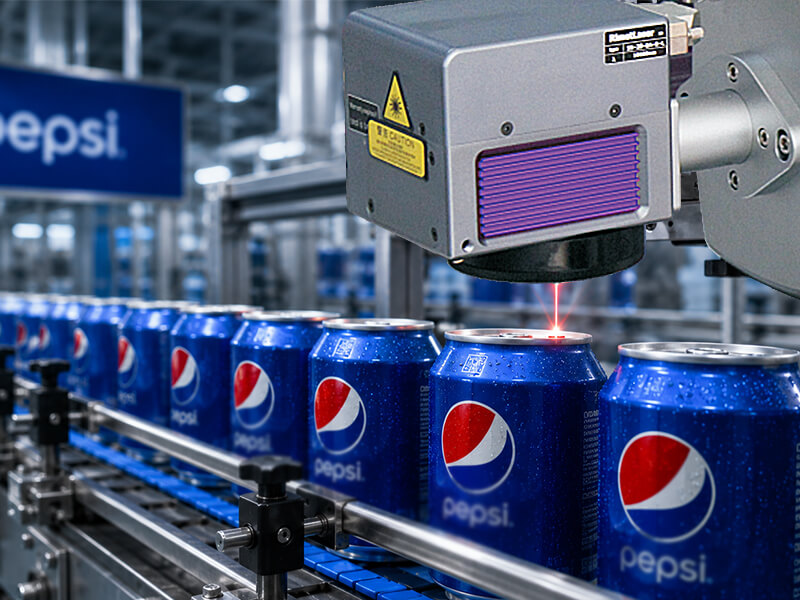
If your production line is still relying on traditional inkjet printers, you’re likely dealing with three silent "profit killers": non-stop consumable costs, frequent downtime for maintenance, and the risk of blurred, erasable codes.
This is exactly why more manufacturers (E.g. pepsi chooses fiber laser marking for cans marking)are replacing ink-based systems with industrial laser printing technology—not because it is “advanced”, but because it eliminates recurring production pain points.
Production line marking challenges in industrial environments
Most production managers don’t start with laser technology. They start with inkjet—and later switch.
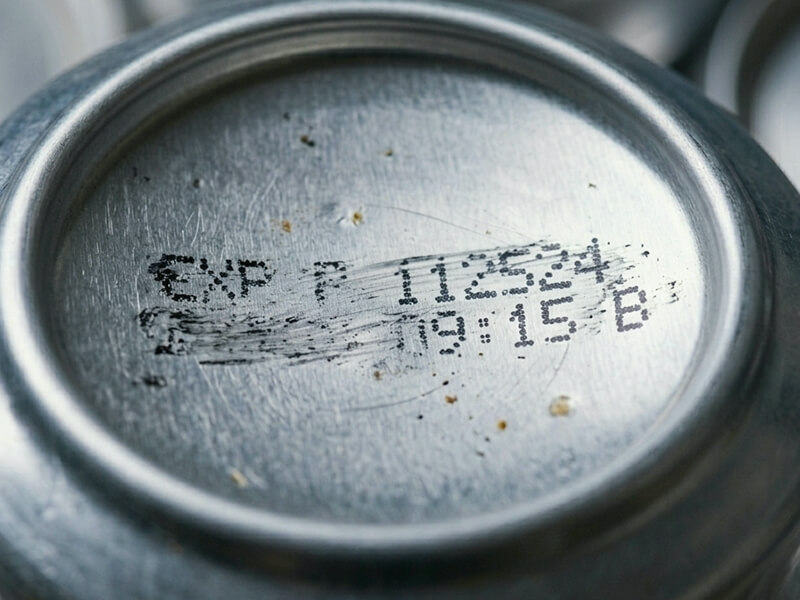
Cause, they are facing these common challenges include:
- · Unplanned production interruptions caused by coding system maintenance cycles
- · Sensitivity of ink-based systems to dust, humidity, heat, or high-speed production lines
- · Increasing operating cost due to ink, solvent, and consumable usage
- · Variations in print quality across different shifts or environments
- · Risk of unreadable codes affecting traceability and compliance requirements
- · Frequent operator involvement for cleaning, adjustment, and consumable replacement
The Pepsi bottling venture manager stated that they switched from inkjet to laser printer because they placed great emphasis on quality, production efficiency, and sustainability. And we believe this is also your pursuit of value - to provide better services to your clients.
Why laser marking solves these production line pain points
Laser marking is not “better printing” - it removes the printing process entirely.
Instead of depositing ink, it uses controlled energy to permanently modify the surface of the material.
But the real value is not the physics - it’s the production impact:
✔ No consumables = no supply chain interruptions
No ink. No solvent. No refills.
Once installed, the system runs as a fixed utility.
✔ Minimal maintenance = stable production
No clogged nozzles. No drying. No daily cleaning routines.
✔ Permanent marking = zero rework risk
Marks cannot fade, smear, or wash off—even in extreme environments.
✔ High-speed integration
Modern systems can match high-speed packaging, extrusion, and assembly lines without slowing production.
Choosing the right laser printer is not technical - It’s application-based
It should be noted that one size does not fit all in manufacturing. Choosing the wrong wavelength can damage your product or result in unreadable marks.
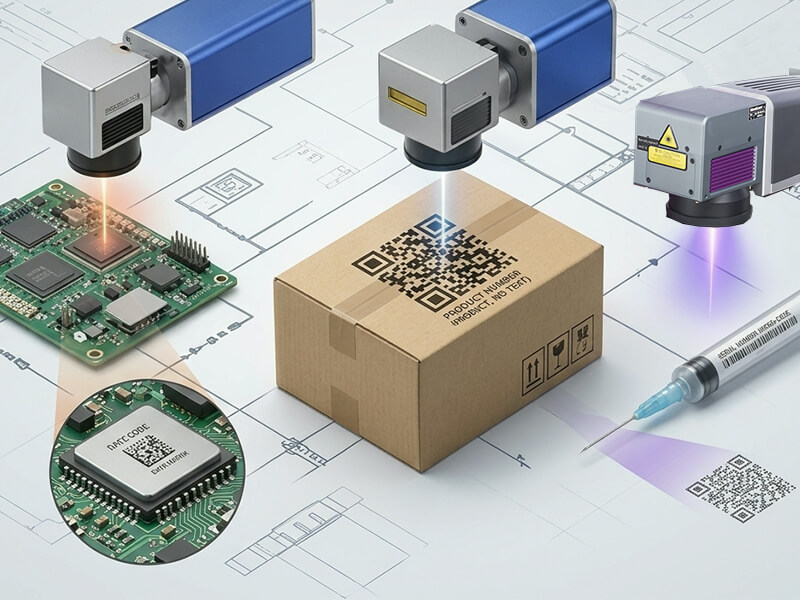
Please refer to this table. Should you need further clarification, our technology team is ready to recommend the right laser printing solution for you.
| Applications | Your Pain Point | The recommended solution |
| Metal parts, cables, PCBs | Need high speed and extreme durability. | Fiber Laser (1064nm): 100,000-hour lifespan with speeds up to 12,000mm/s. |
| Food packaging, Beverage bottles/cans, Wood | Need clear codes on organic/non-metal surfaces. | CO2 Laser (10640nm): Low initial investment, ideal for high-speed packaging lines. |
| Medical devices, Precision 3C | Thermal damage or burnt edges on sensitive materials. | UV Laser (355nm): "Cold processing" with a <10μm spot size for ultra-fine, damage-free marking. |
Where Laser Marking Creates Immediate ROI in Real Factories
1. Reduced downtime
Even saving 10–20 minutes per shift from cleaning or ink issues adds up significantly.
2. Lower labor dependency
Operators no longer manage ink systems daily.
3. Scrap reduction
Unreadable codes = rejected products. Laser reduces this to near zero.
4. Compliance security
Stable, permanent coding improves audit readiness and traceability systems.
5. Predictable operating cost
No consumables means cost becomes fixed and controllable.
What manufacturers should ask before choosing a laser printing system
Instead of asking “Which laser is best?”, production teams should ask:
- Can this system run 24/7 without operator intervention?
- Will it survive my factory environment (dust, heat, humidity)?
- Does it reduce downtime compared to inkjet?
- Can it integrate with my production line (PLC/MES)?
- Will it pass long-term traceability audits?
If you choose the TINHO fly laser printer system, you won’t have to worry about the above issues. We will provide corresponding answers and a fully customized laser marking solution for you.
Conclusion: Laser Marking Is Not an Upgrade, It’s Risk Elimination
For modern manufacturing, coding is no longer a simple marking task.
It is part of:
- production stability
- regulatory compliance
- supply chain traceability
- brand protection
Laser marking systems are being adopted not because they are “advanced,” but because they remove the operational risks that inkjet systems cannot solve.
If your production line is still dealing with ink, downtime, or unreadable codes, the real question is not whether laser is better—it is:
How much is your current coding system actually costing your production efficiency?